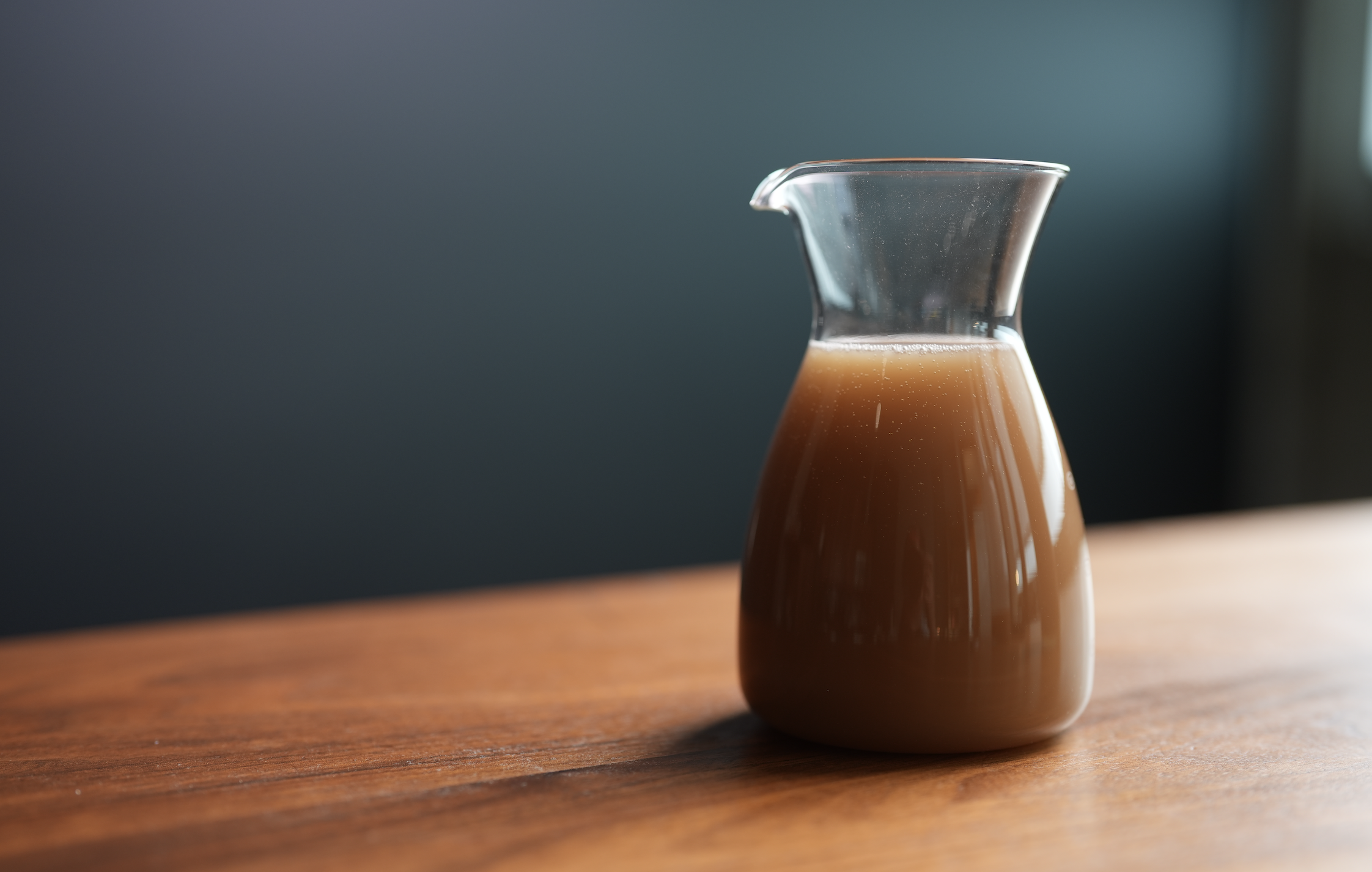
Orgeat is one of those syrups that feels more intimidating than it actually is. I'm preaching to myself here, because after about 9 years of being this internet "cocktail guy," this month was my first time making it myself. Yeah it's a bit of work, but woah... WORTH IT.
Orgeat shows up in tiki drinks quite a bit (think Mai Tais, mostly) and people assume you need to buy it or that making it at home involves some level of alchemy that's not worth the effort.
But as I personally discoverd this month, is that homemade orgeat is better than anything you can buy. It's richer, fresher, and once you've tasted it, the bottled stuff feels flat by comparison (even the really quality bottled stuff). And the process itself (toasting nuts, making nut milk, sweetening it, finishing it with a little rose water) is straightforward enough that you can do it on a weeknight if you plan ahead.
This post walks you through two versions: a classic almond orgeat and a macadamia nut orgeat. Both are based on a recipe from Very Good Drinks. I ever so slightly adapted their approach and made some of my own Swedish Chef changes (Muppets reference, anyone?), but it really is their recipe that I tracked with for the most part.
What You'll Need (for either version):
For the Nut Milk:
- 1 cup raw nuts (almonds or macadamias, unsalted and unroasted)
- 2 cups water
For the Syrup:
- 2 cups cane sugar
- 1 large pinch kosher salt
- 1 oz aged spirit (rum, bourbon, or brandy... up to you)
- ½ tsp rose water or orange blossom water
Equipment:
- High-powered blender
- Nut milk bag or cheesecloth
- Small saucepan
Instructions:
Step 1: Toast the Nuts
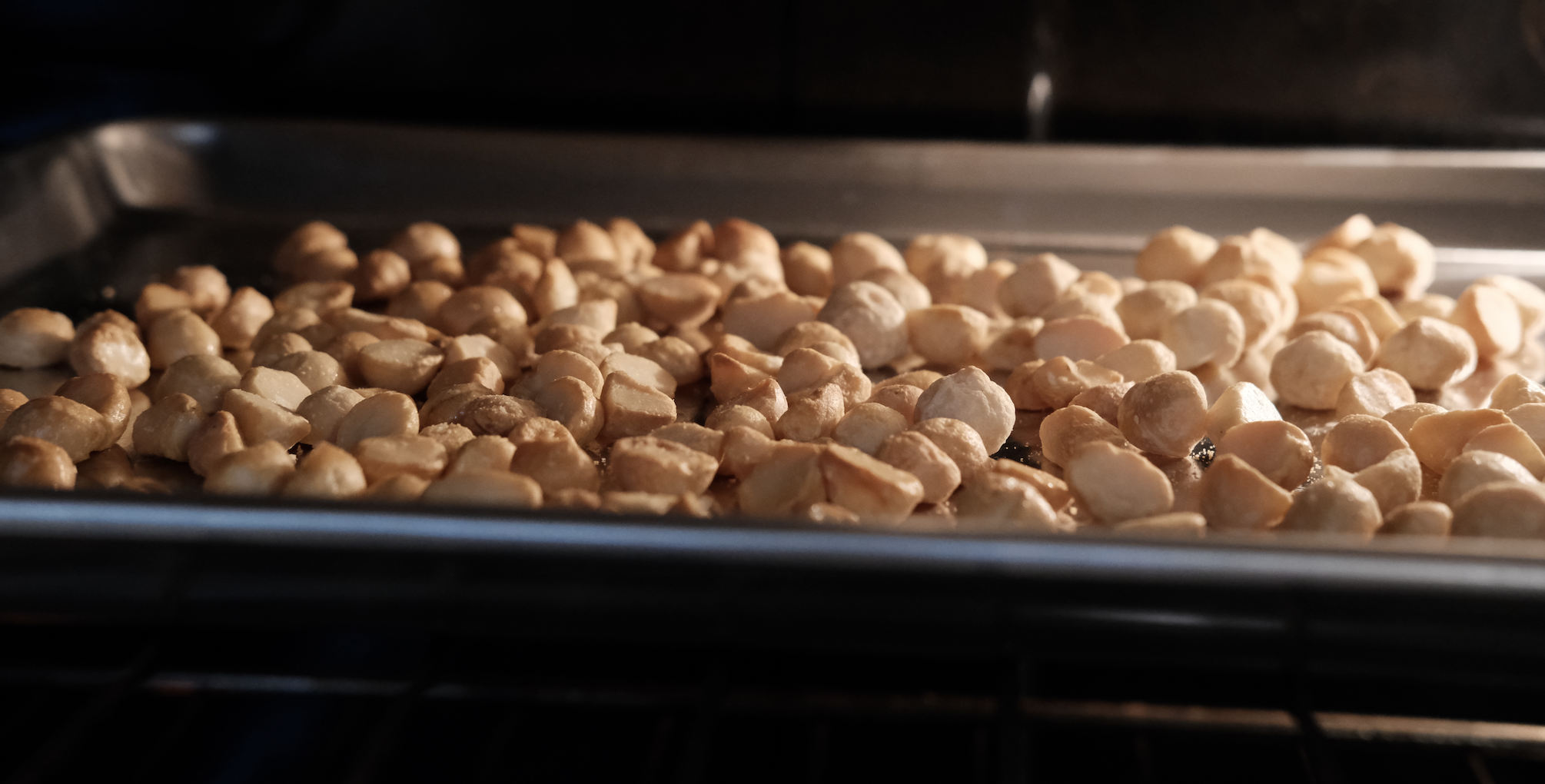
Place your nuts in a dry skillet over medium heat, or a baking sheet in the oven set to 400. Toast until they're fragrant and just starting to take on a little color. Don't walk away during this step. Nuts go from toasted to burnt faster than you'd think.
Once they're toasted, transfer them to a bowl or jar and cover them completely with water. Seal the container and let them soak for 24 hours at room temperature. This softens the nuts and makes them easier to blend into a smooth milk.
Step 2: Make the Nut Milk
After 24 hours, drain the soaked nuts and reserve the soaking liquid. Add fresh water to the reserved liquid until you have exactly 2 cups total.
Add the soaked nuts and the 2 cups of liquid to your blender. Blend on high until the mixture is completely smooth and milky... this usually takes 1–2 minutes depending on your blender.
Strain the mixture through a nut milk bag or a fine mesh strainer lined with cheesecloth. Squeeze or press the bag to extract as much liquid as possible. You should end up with about 2 cups of nut milk. Set the leftover solids aside... you can compost them or save them for baking.
Step 3: Sweeten and Finish
Pour the nut milk into a small saucepan and add the 2 cups of sugar and a large pinch of salt. Warm the mixture over medium-low heat, stirring occasionally, until the sugar is fully dissolved and the syrup is just starting to look frothy on top. Don't let it boil... gentle heat is enough.
Remove the pan from the heat and let it cool for a few minutes. Once it's no longer steaming, stir in the rose water and your chosen aged spirit. The spirit helps preserve the syrup and adds a little warmth and depth. The rose water gives it that faint floral note.
Bottle it once it's completely cool. And it should keep in the fridge for about a month.
Almond vs. Macadamia: What's the Difference?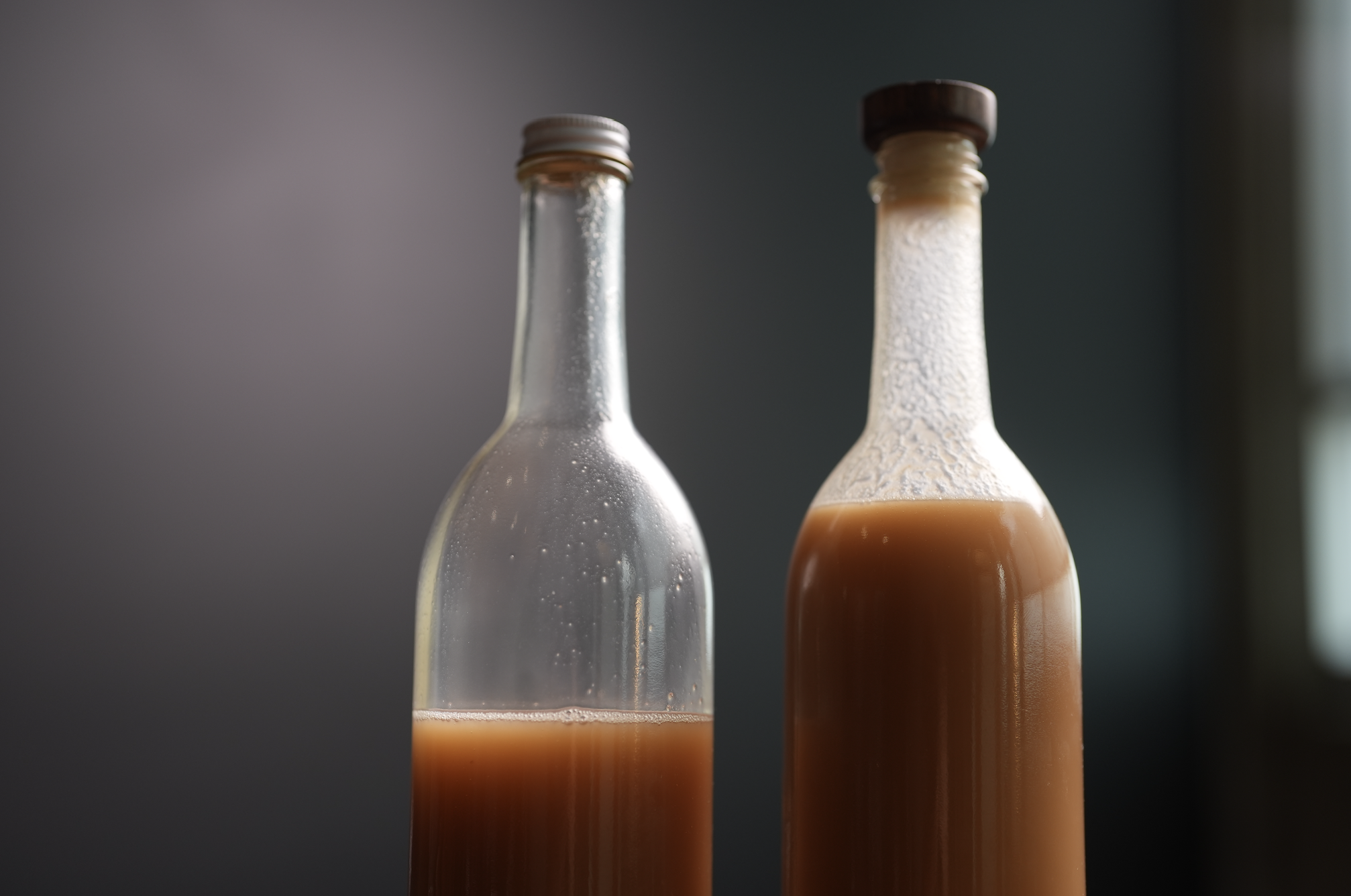
Almond orgeat is the classic. It's what you'll find in most recipes, and for good reason: that perfect, nutty sweetness with just enough richness to support rum, whiskey, or citrus without overpowering anything. If you're making your first batch of orgeat, start here.
Macadamia orgeat is creamier, and a little more decadent to me. Macadamias have a buttery quality that comes through in the finished syrup, and it plays really well in tropical drinks or anything with pineapple. It's also slightly less assertive than almond, which makes it a good choice if you're pairing it with delicate spirits or florals.
Both are worth making. If you're only making one, go with almond. If you want to see what else orgeat can do, try macadamia.
The photo above shows that I got slightly different yields when I made both almond and macadamia orgeat. I used the same specs and process for both, but I had a more difficult time pressing all of the liquid out when making the almond milk. However, I had no problem extracting all the liquid for the macadamia milk. Just thought I'd mention.
A Few Notes on Technique
- Toast your nuts. Toasting "blooms" the oils and brings out roasted flavors that carry through the entire syrup. Skipping this step will give you a flatter result.
- Use the soaking liquid. It already has flavor extracted from the nuts during the soak, so don't throw it away. Just top it off with fresh water to hit your 2 cups.
- Don't skip the rose water. It's a small amount, but it's part of what makes orgeat taste like orgeat. If you leave it out, the syrup will still be good... but it won't be quite right.
- The aged spirit is optional, but helpful. It extends the shelf life and adds complexity. I usually reach for an aged rum, but bourbon or brandy both work (I used a VS cognac for this round of orgeat). Use something you'd be happy to drink, but you don't need to use your best bottle.
How to Use It
Orgeat is most famous for showing up in Mai Tais, and yes, it's excellent there. But it's also good in:
- Whiskey sours or bourbon-based drinks that need a little richness
- Tequila or mezcal cocktails with citrus
- Coffee drinks (the best iced latte ever, trust me)
- Sparkling water with a squeeze of lemon for a quick mocktail
- Drizzled over ice cream or stirred into oatmeal if you fancy
If you made the Hibiscus Mai Tai from last month, this is the orgeat you want to use in it.
Final Pour
Orgeat is one of those syrups that earns its reputation.
It takes a little time (mostly passive soaking time) but the result is something you really cannot buy in a bottle. And once you've made it, you'll understand why people who care about tiki drinks are so particular about using the real thing.
If you make either version, let me know how it goes. And if you try both, I'm curious which one you reach for more often.
Big thanks to Very Good Drinks for the foundational recipe. This one is based on their video and breakdown, and they are worth checking out if you want to go even deeper.
In case you missed it...
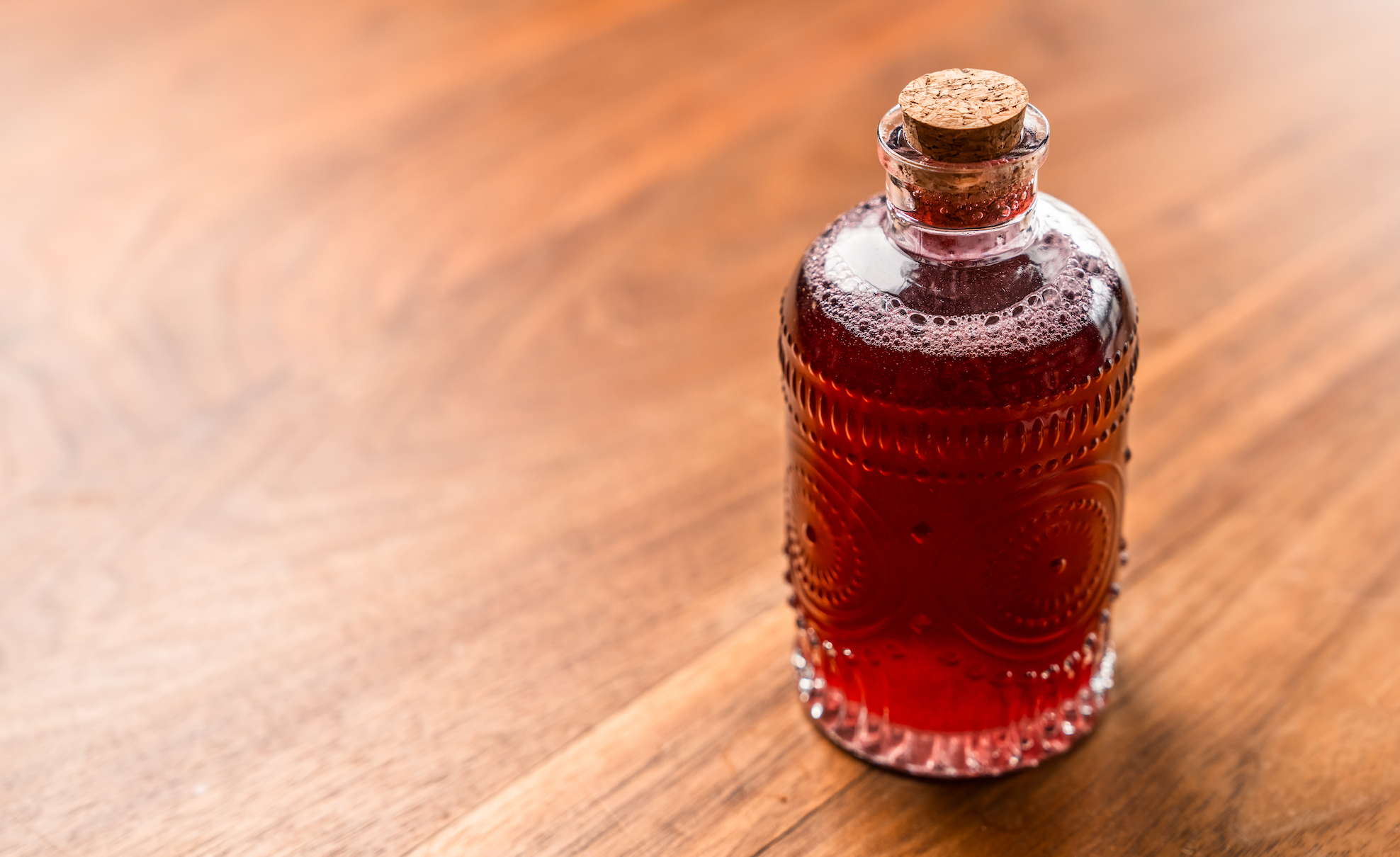
Hibiscus, Raspberry & Lemongrass Tea Syrup: Gentle, Floral, Ready for Spring
Tea doesn't get used in cocktails as much as it should. Maybe it's because tea feels too delicate... like it won't hold up against citrus or spirits (a valid concern). Or maybe it's because we haven't been shown good, simple ways to make it work without overthinking it.
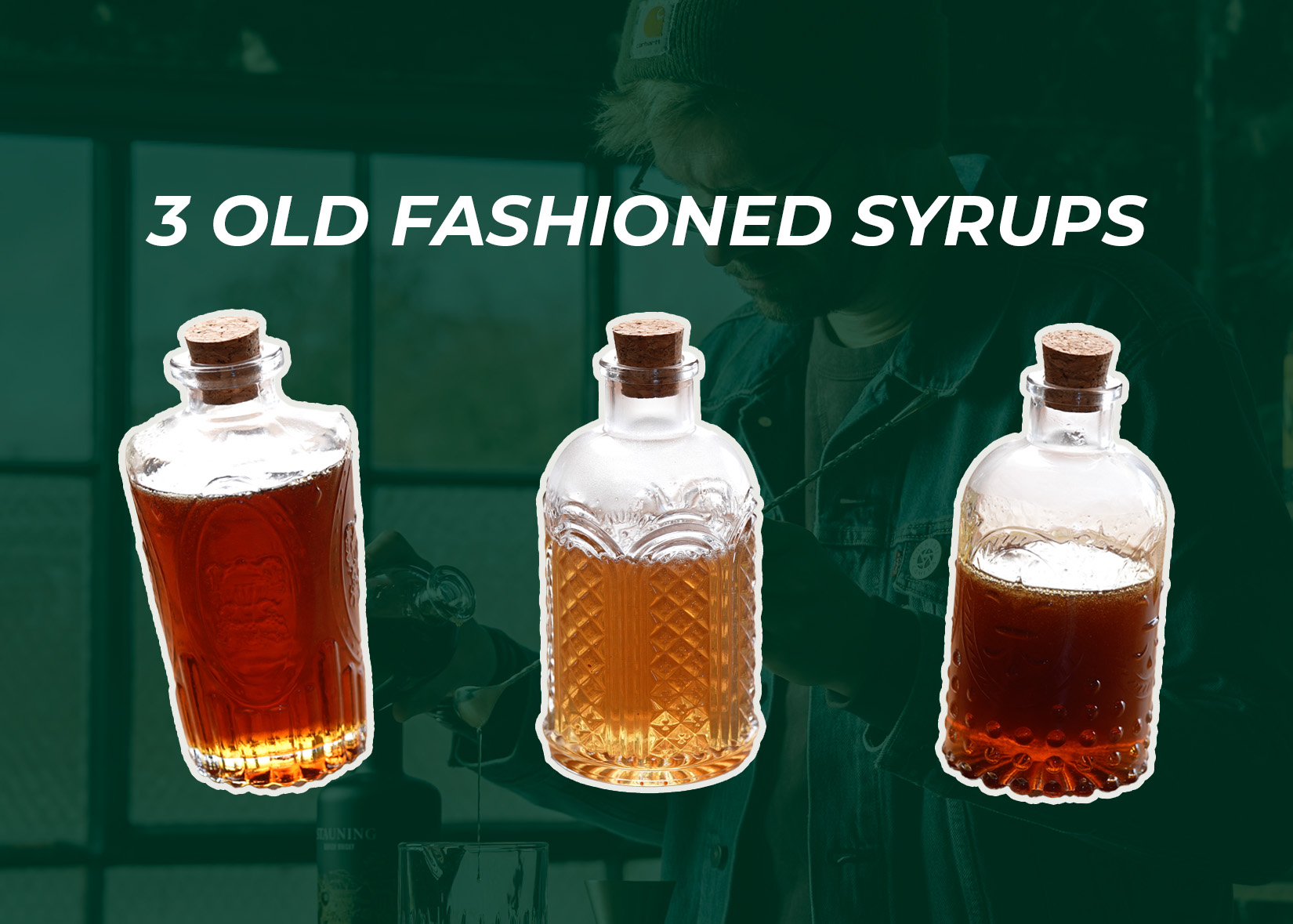
Three Syrups, Three Old Fashioneds: A Simple Syrup Monthly Special Edition
It's only ever so slightly different from my usual High-Proof Preacher content, but my Cocktail Camera YouTube channel has a brand new video today that focusses on three Old Fashioned riffs, and using three different syrups. It's a chance to see how much a syrup can shift the direction of a drink without making it unrecognizable.
Hey. Thanks for being here! I appreciate you.


Responses