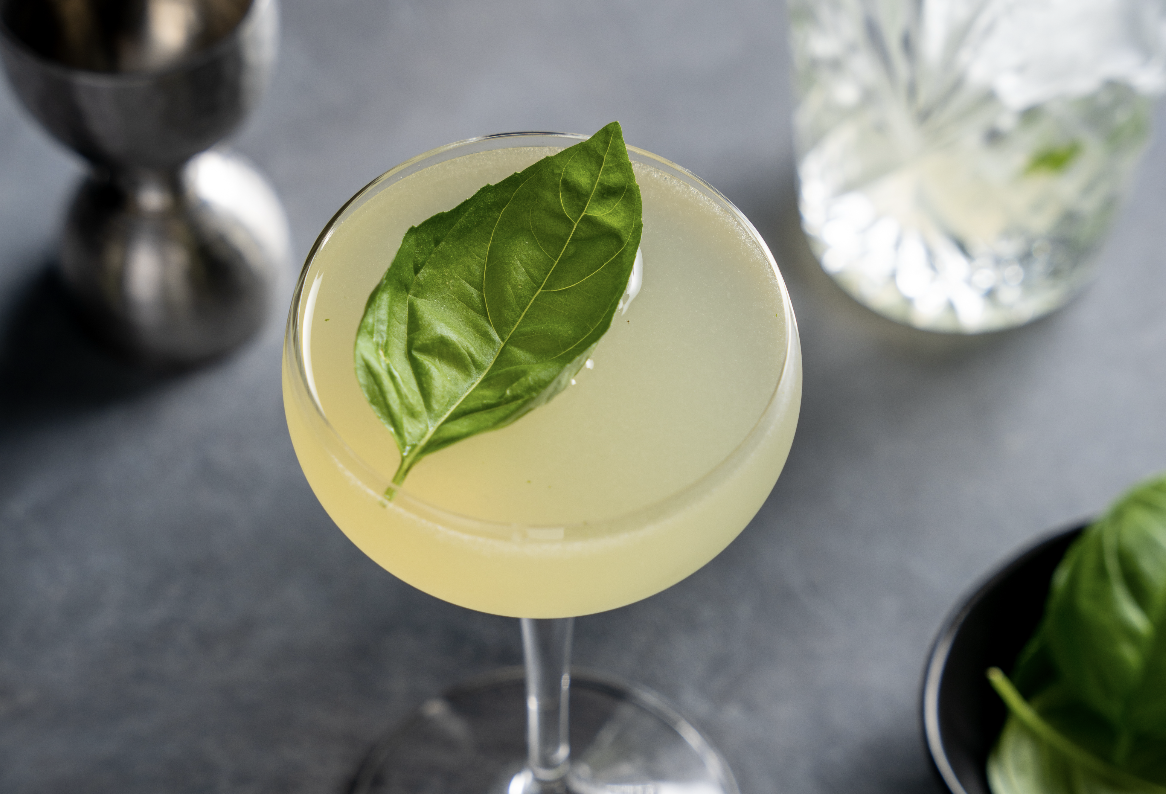
There's a question that comes up once you start making syrups for yourself: when should I actually make a syrup, and when should I just muddle the ingredient instead?
It's a fair question. Making a syrup can take time: heating, steeping, cooling, straining, storing. Muddling takes ten seconds and maybe like a wooden spoon. So why wouldn't you just muddle everything?
The short answer is: sometimes you should. But knowing when to reach for one technique over the other will save you time, and help you avoid over-complicating things that don't need to be complicated.
This post focuses mostly on fresh herbs, so think basil, mint, rosemary, thyme, cilantro. That is where the question comes up most often, but the principles apply to other ingredients too.
When to Muddle
Muddling works best when you want bright, fresh, aromatic flavor that tastes like the ingredient just got picked. It's immediate. It's raw. And in the right context, that's exactly what you want.
Muddle when:
-
You're making one or two drinks. If you're mixing for yourself or a friend, pulling out a saucepan to make a syrup might be overkill. Muddle a few mint leaves or basil leaves directly in the shaker or glass, add your other ingredients, and you're done.
-
The herb is delicate and benefits from being fresh. Mint, basil, cilantro, and shiso are all herbs that lose something when they're cooked. Muddling them keeps that brightness intact. A mint syrup can be great, but it'll never taste quite as alive as fresh mint muddled into a Mojito.
-
You want the texture or visual of the herb in the drink. Muddled mint leaves floating in a Julep or a Mojito are part of the experience. A basil leaf sitting on top of a Basil Gimlet looks intentional and feels summery. Syrup can't usually give you that.
-
You're working with something fibrous or structural that releases oils when pressed. Mint, lemongrass, and lime leaves are good candidates here. They're built to be bruised. A gentle press in the bottom of a shaker or glass releases aromatic oils without making the drink taste green or bitter.
A few muddling tips:
- Don't pulverize. You're pressing, not destroying. If you're shredding the leaves or turning them into a paste, you've gone too far and you'll pull bitter, vegetal flavors into the drink.
- Muddle in the shaker if you're shaking the drink, or in the glass if you're building it. Either works... just be gentle.
- If you're muddling and shaking, fine-strain the drink when you pour it. Nobody wants to chew on mint pulp.
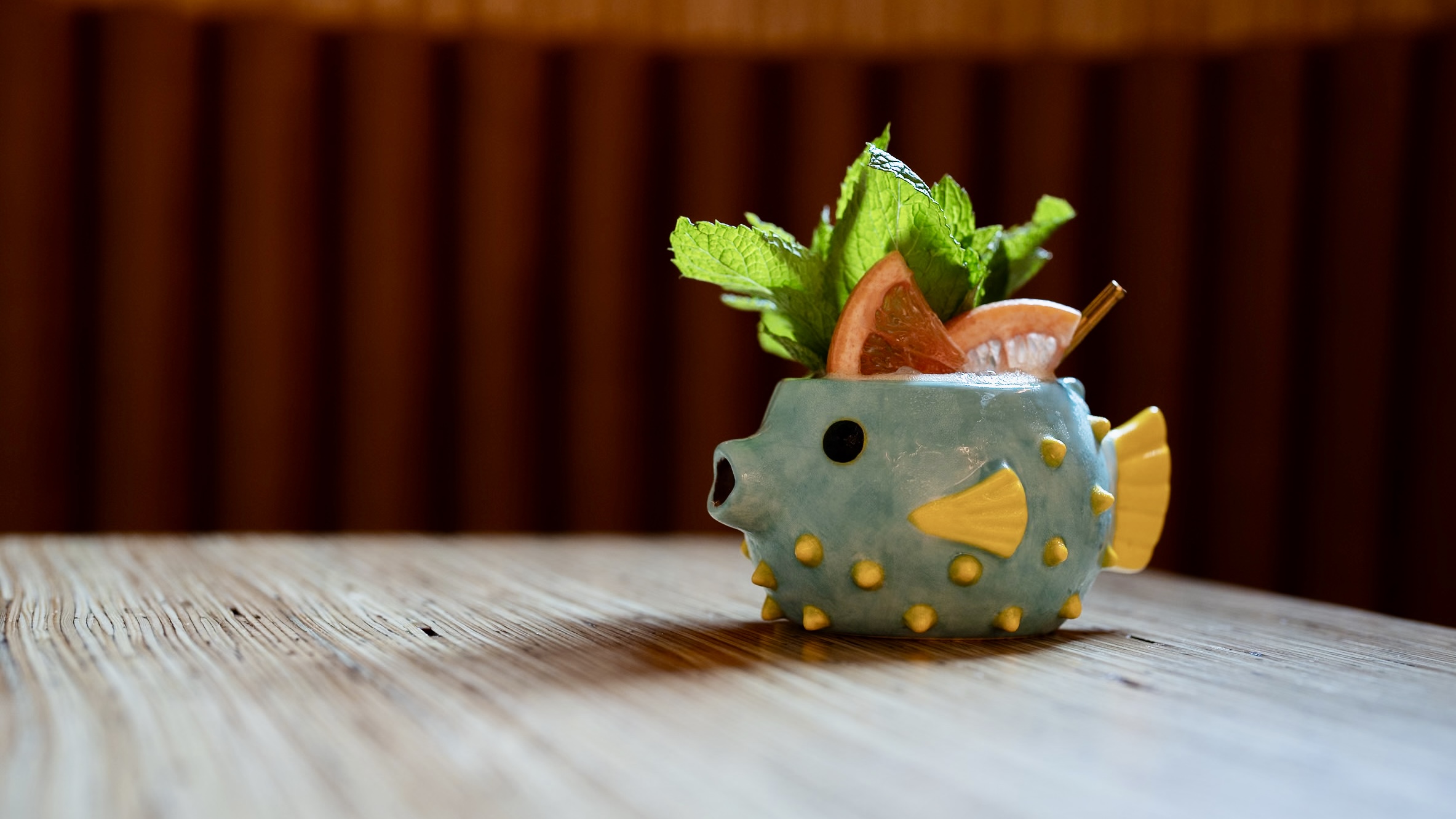
When to Make a Syrup
Syrups make sense when you want consistency, when you're batching drinks, or when you want the flavor to integrate more smoothly into the cocktail without any texture or bitterness.
Make a syrup when:
-
You're making drinks for more than two people. If you're mixing cocktails for a dinner party or a gathering, muddling every single drink gets tedious real fast. A syrup lets you build drinks quickly and consistently without having to muddle, taste, and adjust each one individually.
-
You want a cleaner, more integrated flavor. Syrups dissolve completely. There's no leaf matter to strain out, no variation in how much flavor you extracted. The sweetness and the herb flavor arrive together in every sip, evenly distributed. That's harder to achieve with muddling, especially if you're making multiple drinks.
-
The herb benefits from gentle heat. Some herbs (like rosemary, thyme, sage, lavender) are woody or "resinous" and don't release much flavor when you muddle them. They need heat to open up. A rosemary syrup will give you more usable flavor than muddling a sprig of rosemary ever could.
-
You're working with an ingredient that's bitter or aggressive when raw. Ginger, for example, can be a bit harsh and honestly gets kinda gross when muddled. A ginger syrup mellows it slightly and gives you control over the intensity. Same with jalapeño or other peppers: a syrup lets you dial in the heat without introducing too much vegetal bitterness.
-
You want the syrup to last. Fresh herbs don't keep. A syrup made with those same herbs will last 1–2 weeks in the fridge, which means you can use it across multiple sessions without starting from scratch each time.
A few syrup tips:
- Use a 1:1 ratio for herb syrups. The lighter sugar concentration lets the herb flavor come through more clearly without being buried under sweetness.
- Steep the herbs off heat, not while boiling. Once your sugar and water are combined and just steaming, remove the pan from the burner, add your herbs, and let them steep for 10–15 minutes. This keeps the flavor bright instead of cooked.
- Strain well. Use a fine mesh strainer or cheesecloth to catch all the plant matter. Any bits left behind will turn the syrup cloudy and shorten its shelf life.
A Practical Example: Mint
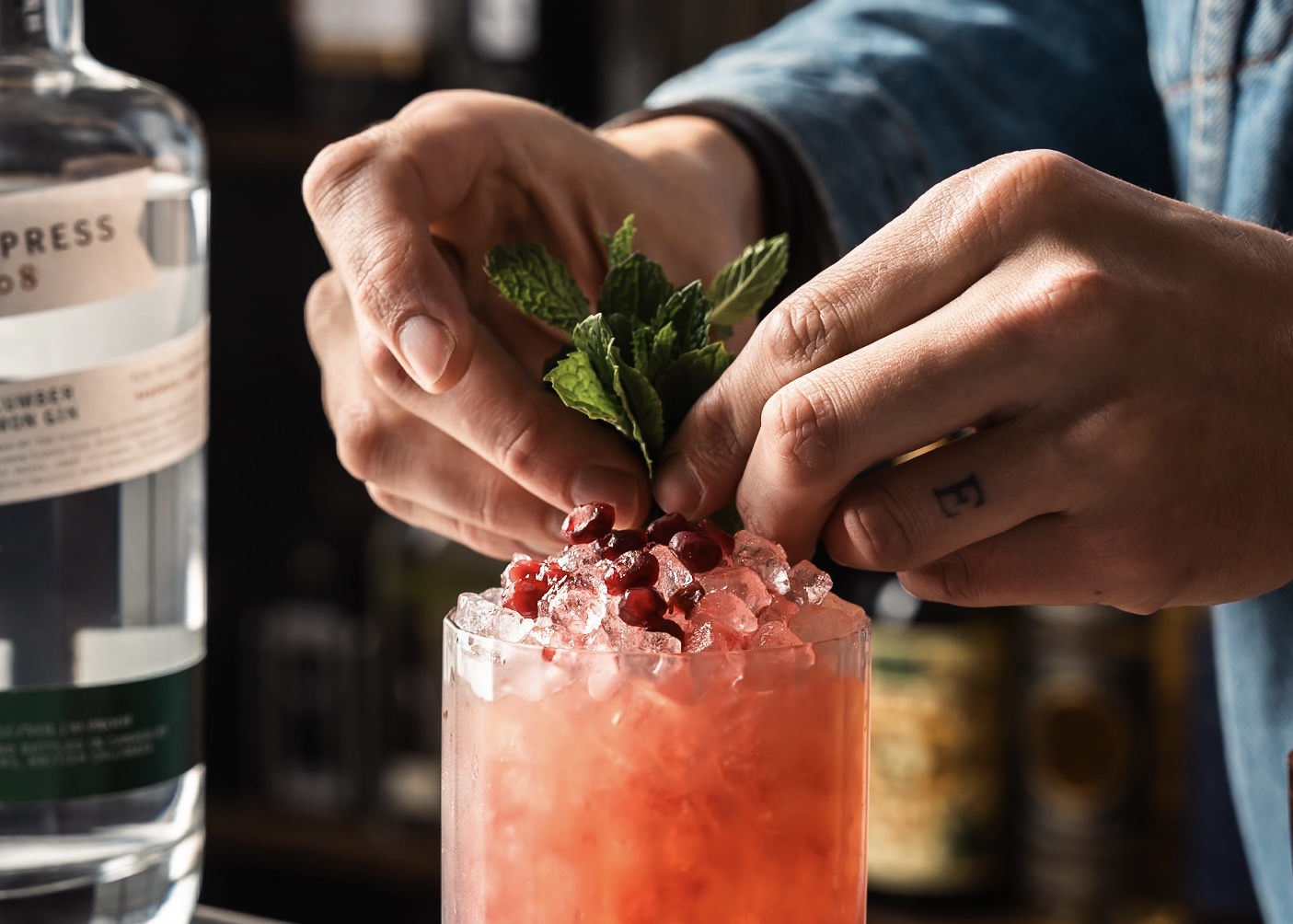
Let's say you're making a drink with mint.
If it's a Mojito or a Julep: Muddle fresh mint directly in the glass or shaker. The drink is supposed to taste like fresh mint. A syrup would flatten it out.
If you're making Mojitos for eight people at a backyard party: Make a mint syrup ahead of time. You'll thank yourself when you're not standing at the bar muddling mint in every single drink while your guests wait.
If you're making a stirred cocktail with mint: Use a mint syrup. Muddled mint doesn't belong in a stirred drink, and a syrup will integrate cleanly without any texture.
Other Ingredients Worth Considering
This same logic applies beyond herbs:
- Cucumber: Muddle for fresh, vegetal flavor in shaken drinks. Make a syrup if you're batching or want something smoother.
- Jalapeño or other peppers: Syrup almost always. Muddling gives you inconsistent heat and too much bitterness.
- Citrus peels: Muddling works for expressing oils over a drink, but if you want sustained citrus flavor throughout, make an oleo saccharum or a citrus syrup.
- Berries: Muddle for texture and fresh fruit flavor. Make a syrup if you want clarity and shelf life.
Final Pour
There's no universal right answer here. The best technique depends on what you're making, how many drinks you're making, and what kind of flavor you're after.
If you're standing in your kitchen deciding between the two, ask yourself: Do I want this to taste fresh and immediate, or do I want it integrated and consistent? That'll usually point you in the right direction.
And if you're still not sure... just make both. Ha!
Try a drink with muddled basil, then make the same drink with basil syrup. Taste them side by side. You'll know which one works better, and you'll have learned something worth keeping.
If you make something from Simple Syrup Monthly, be sure to snap a photo and share it on your Instagram story (and tag @highproofpreacher). I would absolutely LOVE to see what you have made!
Homemade Orgeat: Almond & Macadamia Nut Versions

Orgeat is one of those syrups that feels more intimidating than it actually is. I'm preaching to myself here, because after about 9 years of being this internet "cocktail guy," this month was my first time making it myself. Yeah it's a bit of work, but woah... WORTH IT.


Responses