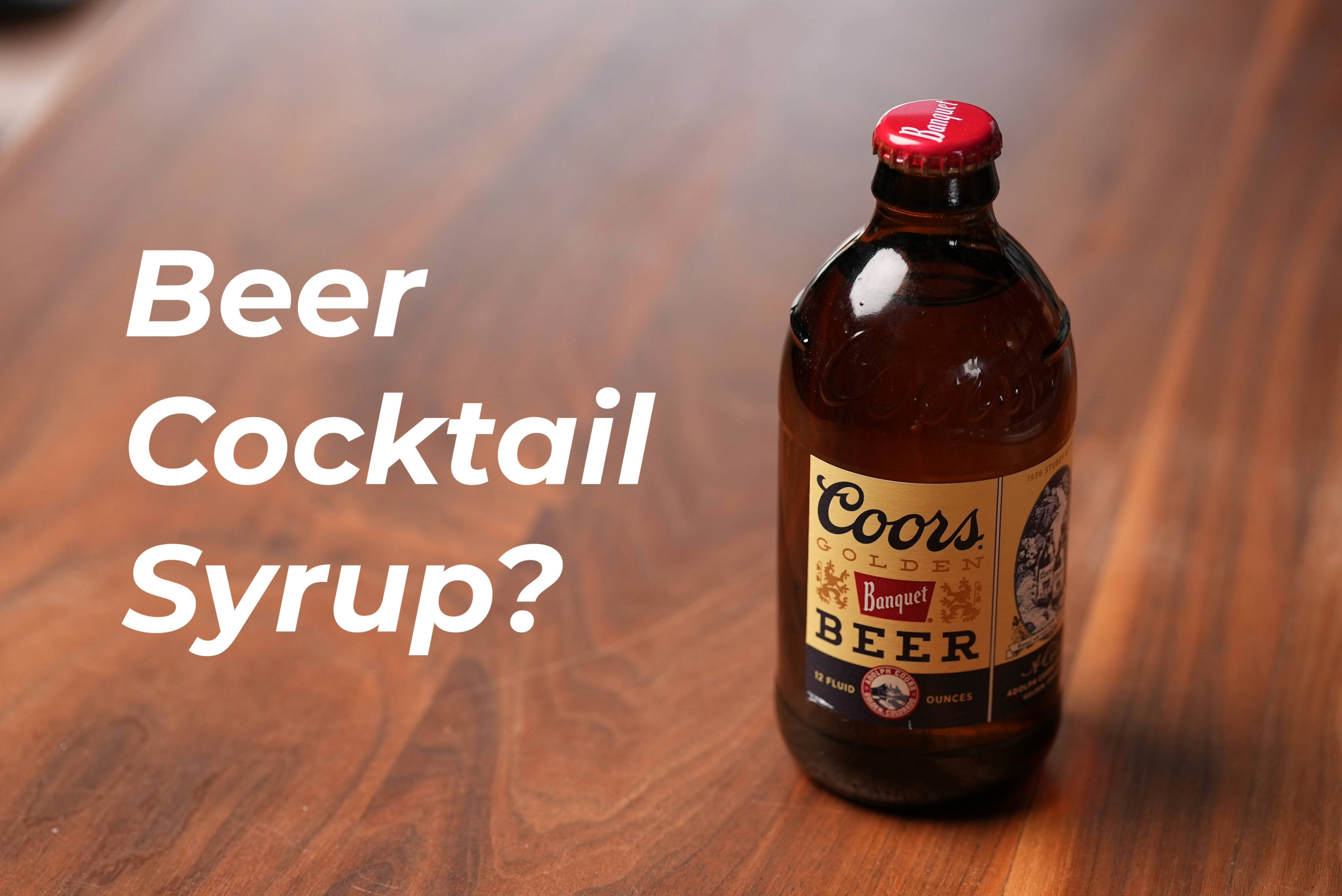
Beer isn’t the first thing most people think of when they hear “cocktail syrup.” But once you reduce it down on the stove (slowly and gently), and add the right amount of sugar, it turns into something deeply useful: an incredibly layered and versatile sweetener.
I recently made a Beer Syrup using Coors Banquet, and it reminded me why this technique works so well. Reduction concentrates the grain, sweetness, and subtle bitterness, while sugar gives it structure and shelf life. The result isn’t “beer-flavored candy," it’s a balanced sweetener that plays incredibly well with whiskey, brandy, certain rums, and even a few zero-proof drinks.
I’ve used the same approach in the past for a Chocolate Stout Syrup, swapping in Demerara sugar for extra depth. Different beer, different sugar, same core idea.
Coors Banquet Beer Syrup
What You’ll Need:
-
1 bottle Coors Banquet
-
Cane sugar (2 parts sugar by weight to the reduced beer)
-
Lemon zest (1–2 wide strips, no pith)
- A kitchen scale is pretty essential here!
Instructions:
-
Reduce the beer:
Pour the beer into a saucepan and set it over low to medium-low heat.
Let it gently reduce by about 50%. No boiling... slow and steady keeps bitterness in check and preserves malt character. -
Weigh the liquid:
Once reduced, weigh the remaining beer. This matters more than volume for consistency. -
Add sugar:
Add 2 parts cane sugar by weight to the reduced beer. Stir gently over low heat until fully dissolved. -
Add brightness:
Toss in the lemon zest and let it steep for 5–10 minutes off heat. This lifts the syrup and keeps it from feeling heavy. -
Strain + store:
Strain out the zest, bottle, and refrigerate for up to 2 weeks.
4 Things to Keep in Mind When Making Beer Syrups
1. Reduce Gently or Regret It
Hard boiling pulls out harsh bitterness and sulfur notes. Keep the heat low and be patient.
2. Sugar Choice Matters
-
Cane sugar: cleaner, brighter, better for lighter beers
-
Demerara: richer, rounder, ideal for dark or roasted styles
This is where you shape the personality of the syrup.
3. Acidity Is Your Friend
A small amount of citrus zest (lemon or orange) helps balance malt sweetness and bitterness. Think lift, not citrus flavor.
4. Not All Beers Want to Be Syrup
Clean lagers, ambers, stouts, and porters work best.
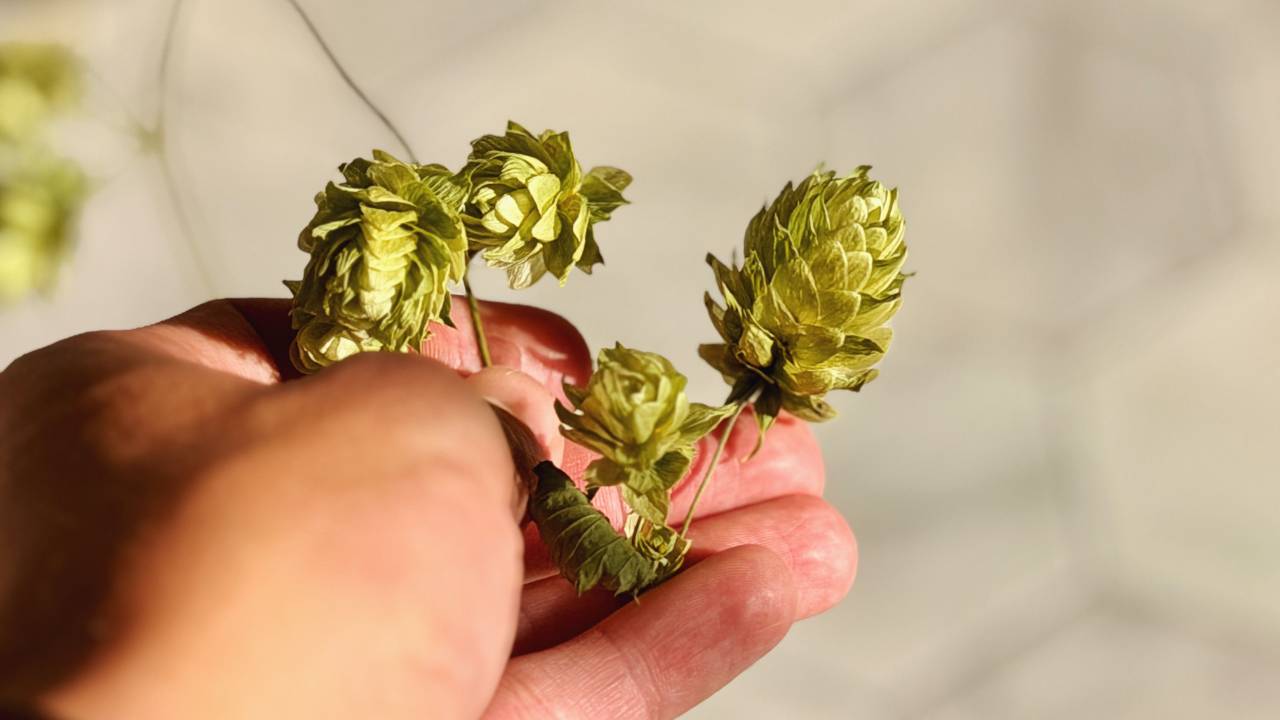
Highly hopped IPAs almost always get aggressive and unpleasant when reduced (sometimese even rancid), so choose wisely.
How to Use Beer Syrups
Beer syrups shine when you want depth without fruitiness:
-
Old Fashioned riffs (especially with whiskey or aged rum)
- Varous Sours (think Whiskey Sours, or even Daiquiri riffs)
-
Syrups made from Stouts or Porters can pair nicely with coffee, or even poured over ice cream
-
Zero-proof soda builds with a pinch of salt
Final Pour
Beer syrups have a ton of potential to be your new secret ingredient. They reward a little patience, teach you something about balance, and open the door to flavors most people don’t expect in cocktails.
If you make one, tag @highproofpreacher and show me what you’re pouring it into. And if you’re not already subscribed, Simple Syrup Monthly is where we keep exploring techniques like this... one syrup at a time.


Responses