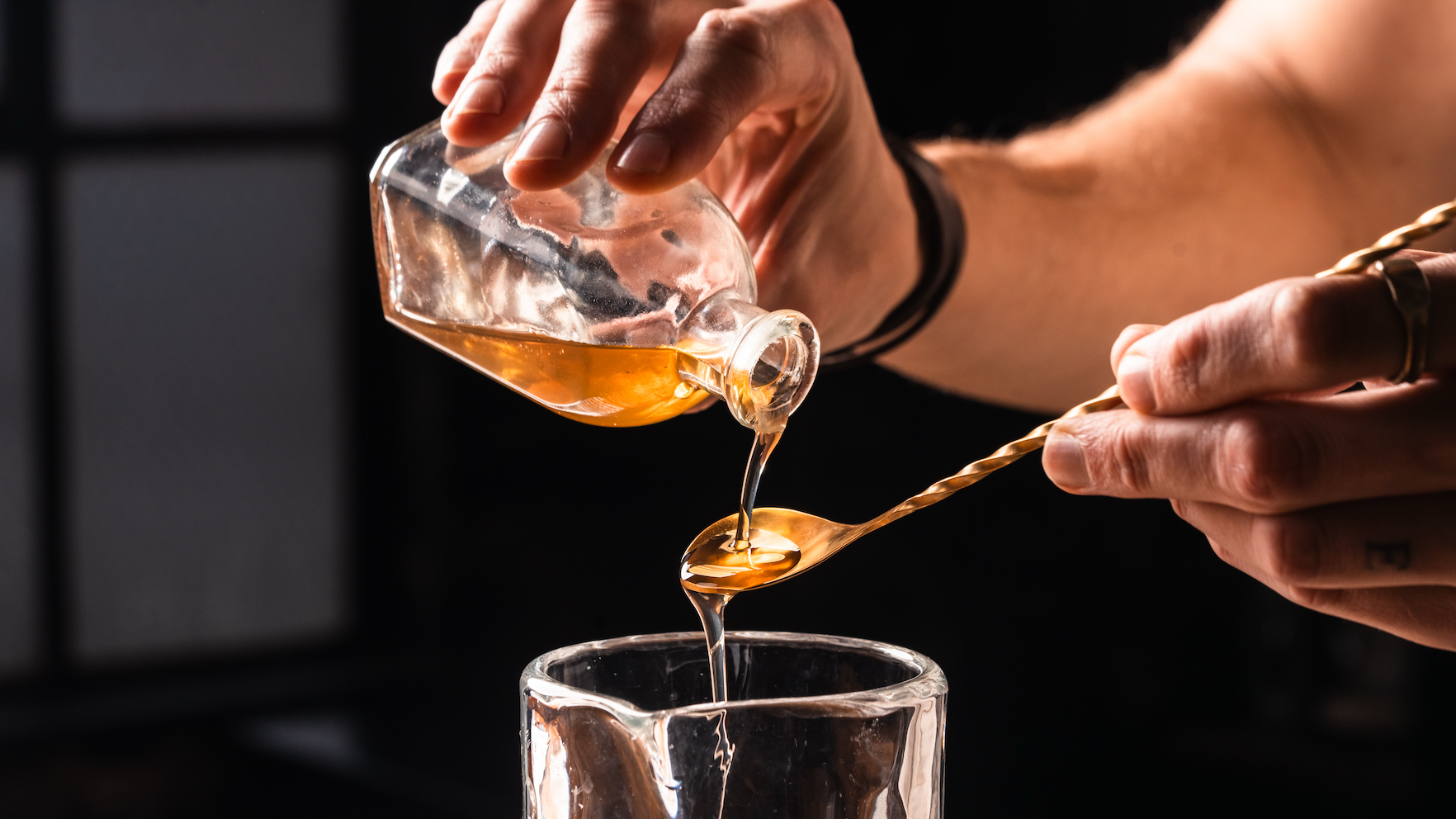
There's a question that comes up a lot when people start paying closer attention to their home bar: why do some recipes call for simple syrup and others call for "rich" or 2:1 ratio simple syrup? If you've ever wondered whether rich just means sweeter (and whether that matters) this special edition is for you.
The short answer is: it's mostly not about sweetness. It's much more about texture. And once you feel the difference, you'll start reaching for one or the other with intention instead of guessing.
The Basics First
Simple syrup is a 1:1 ratio: equal parts sugar and water by volume. One cup sugar, one cup water. It dissolves easily, pours thin, and integrates into almost anything without much fuss.
Rich simple syrup is a 2:1 ratio: two parts sugar to one part water. Same process to make, but the result is thicker, more viscous, and noticeably heavier in the hand when you pour it.
Both are made the same way: warm the water gently, stir in the sugar until dissolved, let it cool, bottle it. Neither one requires boiling. Neither one is complicated.
How to Make Them:
Simple Syrup (1:1)
- 1 cup granulated sugar
- 1 cup water
Rich Simple Syrup (2:1)
- 1 cups granulated sugar
- ½ cup water
For both: combine in a small saucepan over medium-low heat. Stir until the sugar is fully dissolved and the liquid is just steaming... not boiling. Remove from heat, cool completely, and bottle. Simple syrup keeps about 2 weeks refrigerated. Rich simple syrup, because of the higher sugar concentration, keeps closer to 3–4 weeks, and generally does not require refridgeration.
So What's Actually Different?
Sugar dissolved in water does two things in a cocktail: it adds sweetness, yes, but it also adds body. It changes how the drink feels in your mouth: how it moves, how it coats, how it finishes.
The 2:1 ratio creates a denser solution. More sugar molecules per ounce of liquid means more viscosity, more weight, and more presence on the palate. When you use rich syrup, you're typically using less of it by volume to hit the same level of sweetness as a 1:1 (roughly half as much) but the drink ends up with more texture than if you'd used a full measure of the thinner syrup.
That's the thing worth sitting with: you can dial in the same sweetness with either syrup, but the mouthfeel won't be the same.
Rich syrup coats.
Simple syrup integrates.
Both have their place.
Where It Matters: Shaken Cocktails
Shaken drinks (think sours, daiquiris, gimlets, anything with citrus and ice and force) are bright, cold, aerated drinks. The shaking process dilutes the cocktail and introduces tiny air bubbles that give it a lifted, frothy texture, especially if there's citrus involved.
In these drinks, a standard 1:1 simple syrup usually does exactly what you want. It integrates cleanly, balances the acid without weighing anything down, and lets the citrus and spirit stay in the foreground. The drink feels lively.
Use rich syrup in a well-built daiquiri, and you'll notice it. The drink gets a little heavier, a little rounder. That's not always wrong (some people prefer it) but it can mute the brightness that makes shaken drinks so refreshing. If you're adding rich syrup to a shaken drink, pull back on the amount and taste as you go.
A general starting point: if a shaken recipe calls for ¾ oz of simple syrup, try ½ oz of rich syrup and adjust from there.
Where It Matters: Spirit-Forward Cocktails
Stirred, spirit-forward cocktails (like an Old Fashioned or anything where the spirit is doing most of the work) benefit from a little more body in the sweetener. These drinks don't have citrus to brighten them or aeration to lift them.
Rich simple syrup earns its place here. That added viscosity gives the drink a silkier "velvety" finish, something that feels more complete on the palate. A standard simple syrup in an Old Fashioned isn't necessariy wrong, but the drink can feel a little thinner than it should... like something is missing even when the balance is technically in a good place.
This is also where the concentration of rich syrup becomes practical: you're using less liquid to sweeten the drink, which means less dilution. In a stirred cocktail where you're already carefully managing how much water goes in, that matters more than you might think.
The Honest Summary
Neither syrup is better.
They're tools, and like most tools, knowing what each one does well makes you more confident, not more anxious.
If you only keep one on hand, 1:1 is the more versatile starting point in my humble opinion. It plays well with almost everything and is easy to scale and flavor.
If you want to go deeper, make a small batch of each this week and taste them side by side in the same drink. A simple whiskey highball. Even just a basic lemonade. Something you already know well. The difference will be subtle, but it'll be real, and once you feel it, you won't have to think about it anymore. It'll just be something you know.
Final Pour
The best things to learn in the home bar aren't the flashy ones. They're the quiet distinctions... the ones that don't announce themselves but make everything feel a little more considered. Simple vs. rich is one of those. It won't transform your cocktails overnight, but it'll give you one more thing to reach for with intention.
Try both. See what you notice. And if something surprises you, I'd genuinely love to hear about it!
Related reading:
The Two Cocktail Syrups You Should Always Have Stocked

If you’re just getting into home bartending (or looking to level up your cocktail game) there’s one thing every great drink has in common: balance. And more often than not, a key part of that balance is sugar, or simple syrup. While it’s tempting to go straight for fancy infusions...
How Long Do Homemade Cocktail Syrups Really Last?
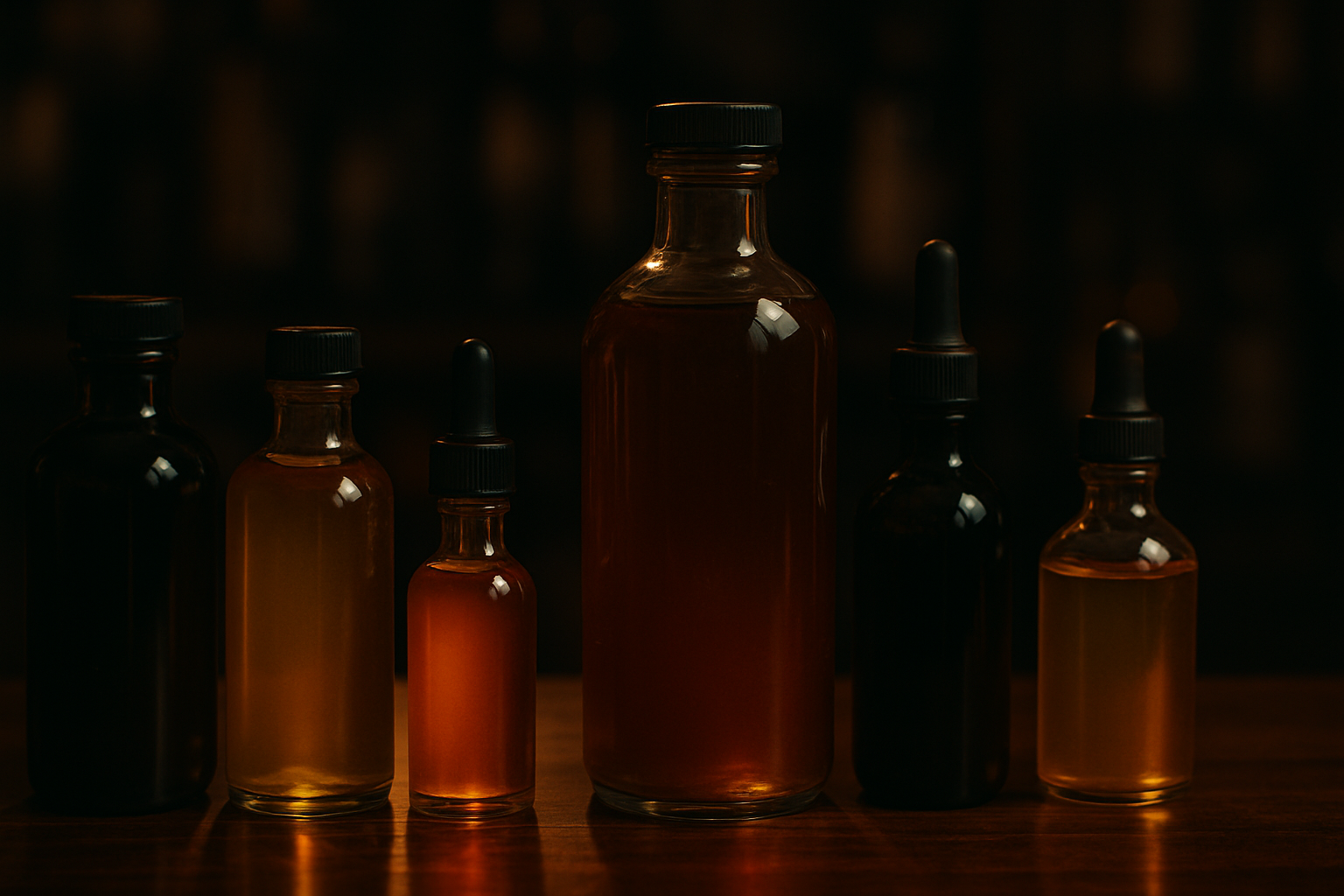
So, you’ve made a batch of syrup... maybe it’s a classic 1:1 simple syrup or a seasonal favorite like Dark Cherry or Vanilla Bean. It tastes incredible. But now you’re wondering: how long can this actually sit in my fridge before it goes bad?


Responses